Precision investment castingMade to Drawing · Consistent AccuracyValve and pipe fitting specialists
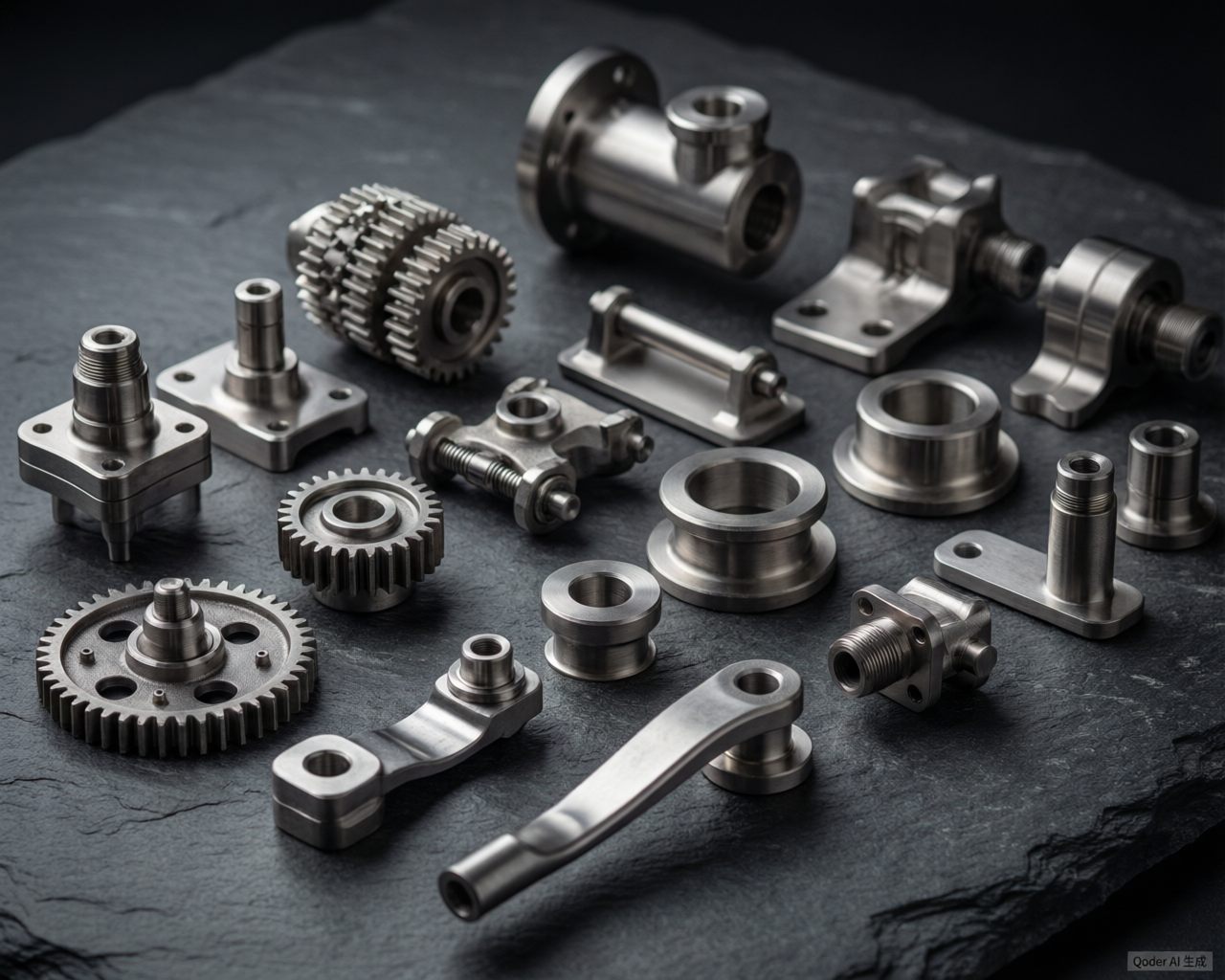
Silica sol investment casting with matched CNC machining, covering a few grams to 100kg per piece. Valve parts and pipe fittings are our main output and most orders are made to customer drawings, with stable results on complex, uneven-wall parts carrying tight geometric tolerances. Once drawings are received, we issue a free castability (DFM) review before quoting.
ISO triple certificationSilica sol investment casting5-axis CNC machiningSpectrometer chemistry analysisExport to TaiwanExport to JapanExport to Europe and the US
Our single focus: making complex, high-precision castingsconsistently and accurately
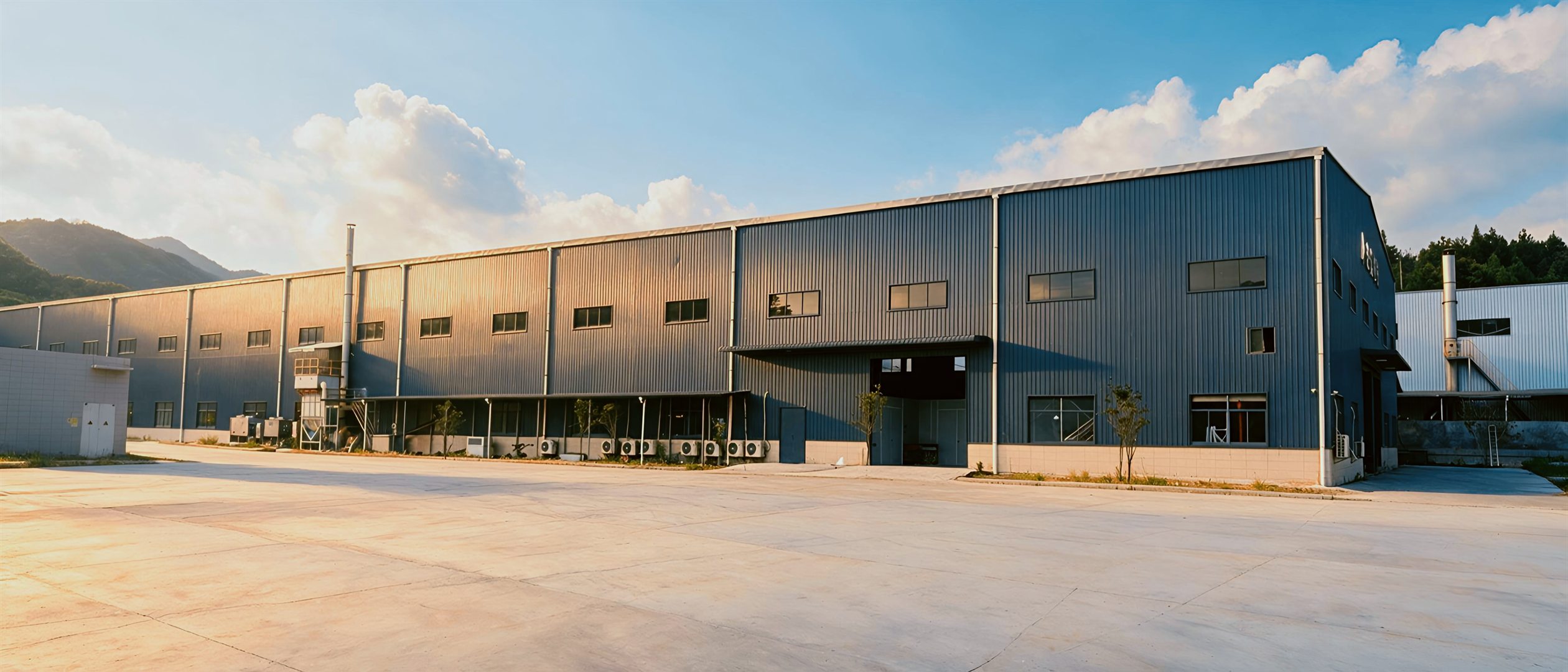
Sanming Hongyi Technology Development Co., Ltd. was established in April 2022 at No. 55 Jingyuan Road, Shangjing Industrial Park, Shangjing Town, Datian County, Sanming, Fujian. The site covers 55 mu (about 36,700 m²) and over 100 people work here on precision investment casting and CNC machining. Three intermediate frequency induction furnaces (150kg × 2, 250kg × 1) run the silica sol casting process with spectrometer checks before tapping, supported by 16 machine tools with capability up to 5-axis. The company holds ISO 9001 (quality), ISO 14001 (environmental) and ISO 45001 (occupational health and safety) certifications. Most deliveries are valve parts, pipe fittings and custom non-standard parts made to customer drawings, shipped to Taiwan, Japan, Europe and the US.
Custom to drawing — reviewed first, then quoted
Most orders are custom parts made to customer drawings; for complex geometry, send the drawing first for a process feasibility assessment
Casting and machining delivered as one package
Both stages are contracted to us alone, so lead time and quality responsibility stay with one supplier and you deal with no one else
Export to Taiwan · Japan · Europe and the US
We export year-round and know the packing, marking and customs documentation that export orders require.
About 36,700 m²; melting, shell building and inspection completed on one site
0units
Medium-frequency induction furnaces
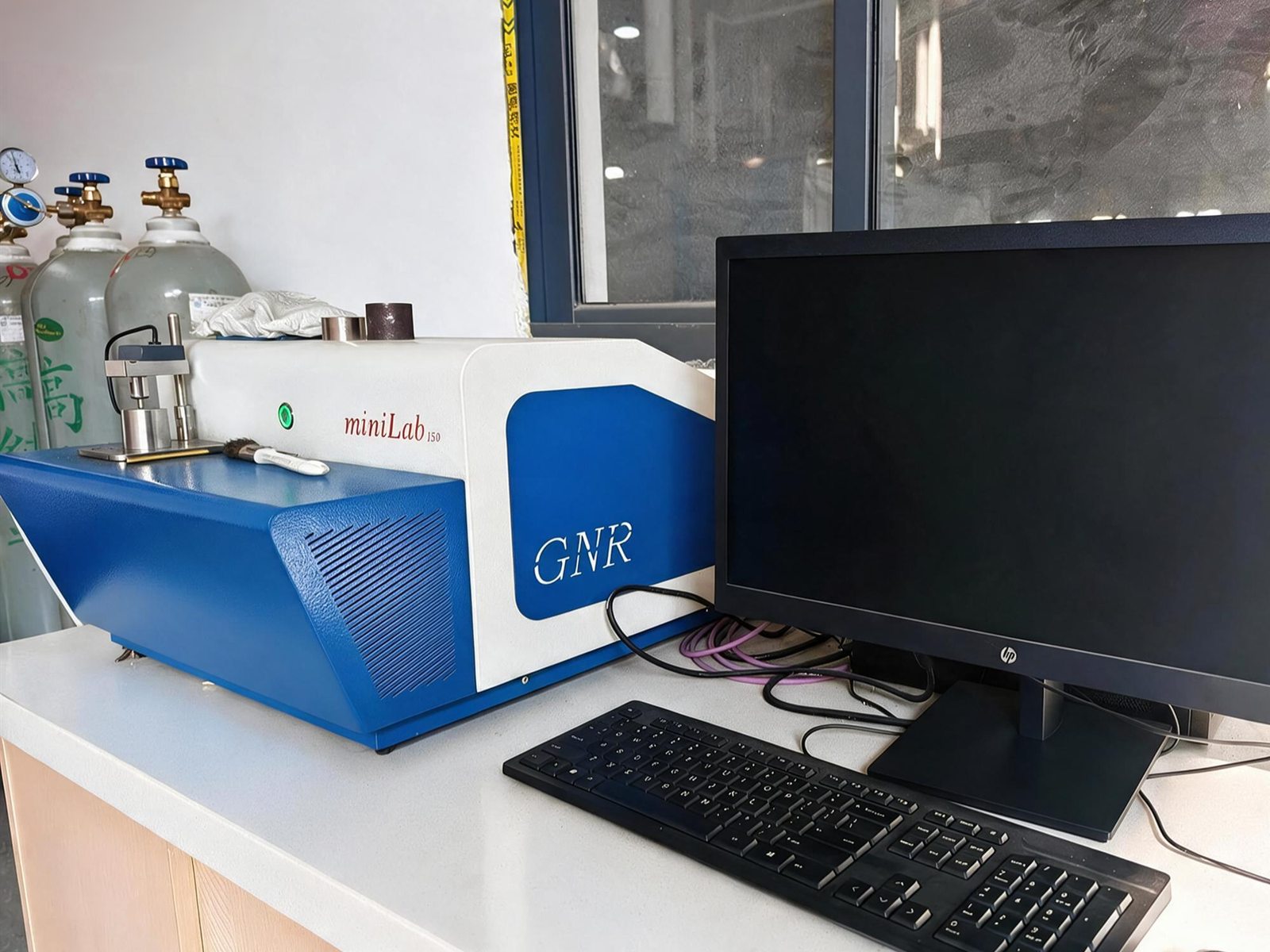
Melt-side spectrometer control of chemistry, charged by grade
0units
Casting and machining equipment
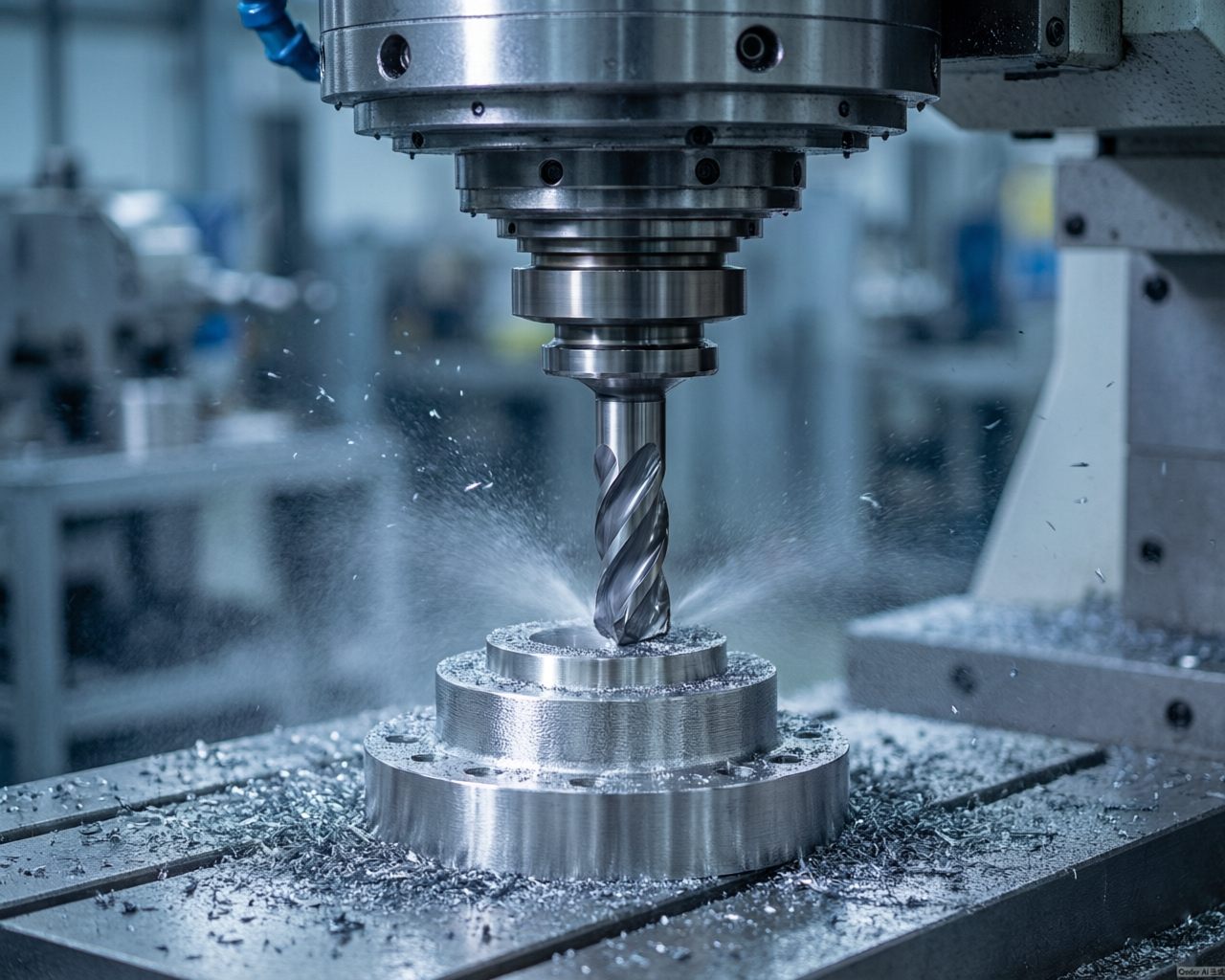
Turning, milling, drilling, boring and 5-axis machining centers
0axis
CNC machining capability
Complex angles and contoured parts finished in one setup
0+
Grades we run most
Carbon steel · cast steel · stainless; special grades can be evaluated
Core Capabilities · What we do
From melting to delivery, the whole flow under one control
Six capability modules cover the full chain from precision casting to machining, so any quality issue can be located and corrected inside one system.
01
Silica sol investment casting
Silica sol shell building gives strong shells and a good surface finish, suited to forming complex parts in one pass.
Weight per piece: a few grams – 100 kg
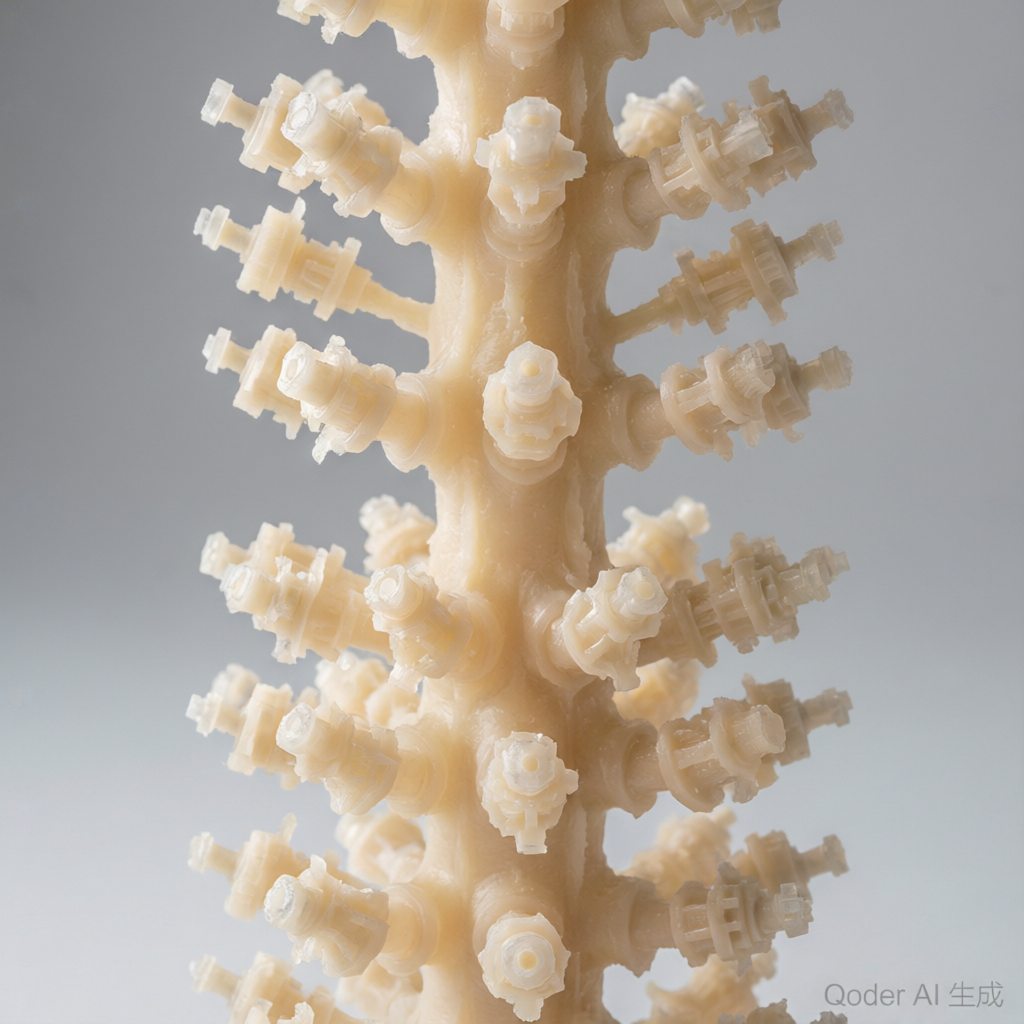
Multi-cavity wax trees, stable volume production
Complex internal cavities and flow passages can be cast
Two wax injection lines: mid-temp and low-temp wax
02
CNC precision machining
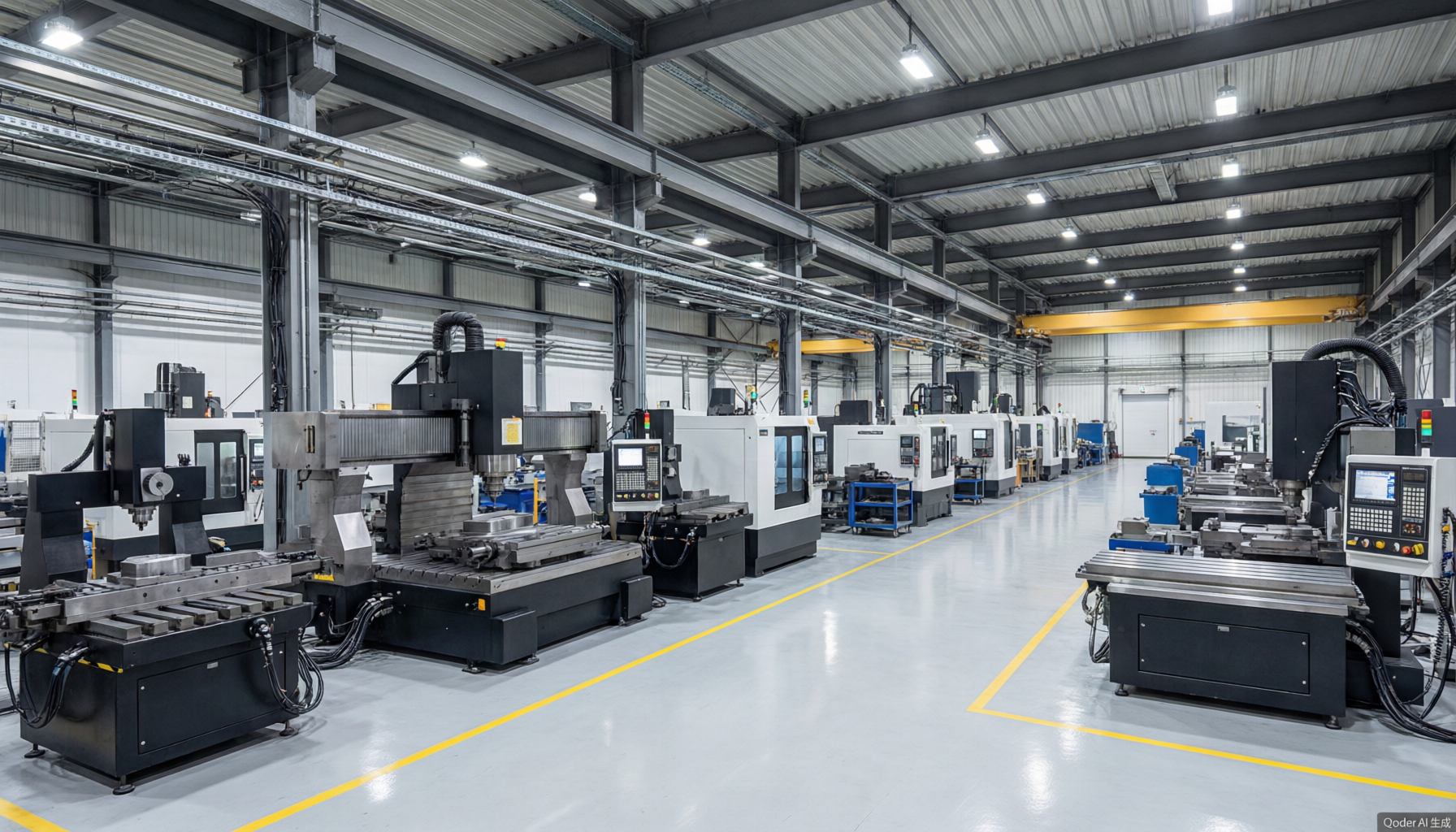
16 machine tools with capability up to 5-axis; casting and machining are scheduled together, so lead time and quality responsibility stay with one supplier.
Machining centers, CNC lathes and more
Machining capability up to 5-axis
Finish machining of sealing faces, threads and hole patterns
Machining dimension issues feed back to the casting process
03
Custom parts and tooling
Most orders are custom parts made to customer drawings; drawings or physical samples are both acceptable.
2D / 3D drawings welcome (PDF·STEP)
Reverse engineering from a physical sample supported
Free DFM castability advice
In-house wax pattern tooling
04
Materials and melt control
3 medium-frequency induction furnaces; we pour only after melt-side spectrometer analysis confirms the chemistry, controlling material at the source.
Carbon steel: 25 steel · A3 · 45 steel
Cast steel: WCB
Stainless steel: 201 · 202 · 304 · 304L
Stainless steel: 316 · 316L · CF8 · CF8M
05
Quality and inspection
ISO 9001 system in operation; before shipment we check chemistry, dimensions and appearance and keep the records.
Spectrometer: melt-side chemistry analysis
Dimensions: key dimensions checked per drawing
Appearance: every piece visually checked / inspected after grinding
Material certificates and batch inspection records shipped with the goods
06
Surface finishing and export packing
From cleaning and grinding through to export packing in one flow, with long-term supply to customers in Taiwan, Japan, Europe and the US.
Shot blasting · grinding · pickling and passivation
Marking and shipping marks per customer request
Wooden case / pallet / moisture-proof packing
Customs documents and packing lists provided
Products · Product center
Typical product lines
The categories below are common supply examples; actual product specifications follow customer drawings.
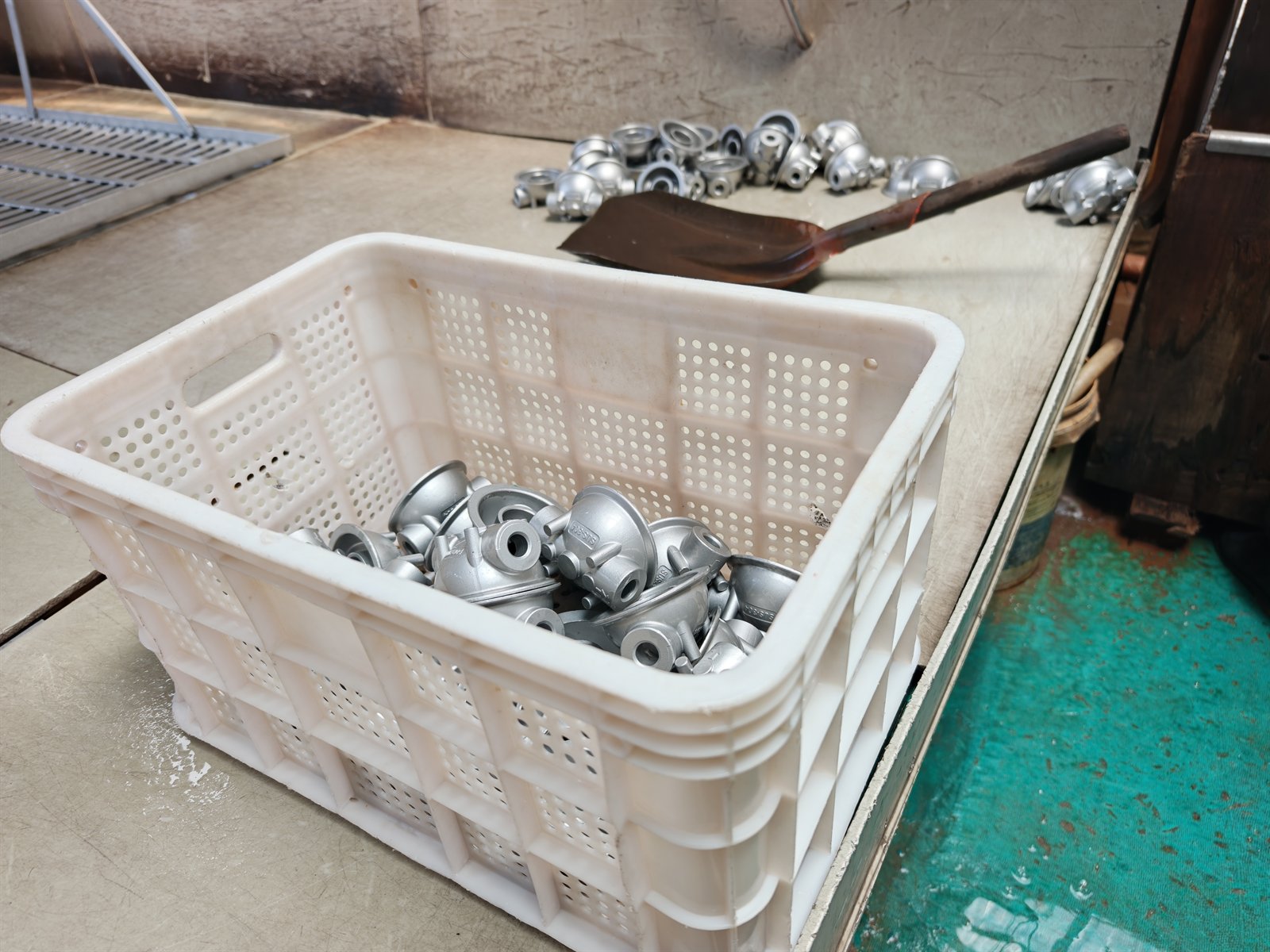
Furniture hardware, handrail fittings, decorative parts, fixtures and equipment accessories. Parts are assembled many-up on wax trees for good dimensional consistency.
The diagram below shows our main silica sol investment casting flow. Each step has its own process specification and inspection point, so abnormalities are caught before the next step.
01
Drawing review · tooling
We start with a castability review to fix draft direction, wall thickness and gating and riser positions, then build the wax mold.
DFM
02
Wax injection and tree assembly
Wax is injected separately on the mid-temperature and low-temperature lines; patterns are checked for completeness, then gates are welded into trees, with multi-cavity dies raising output
Check ①
03
Shell building
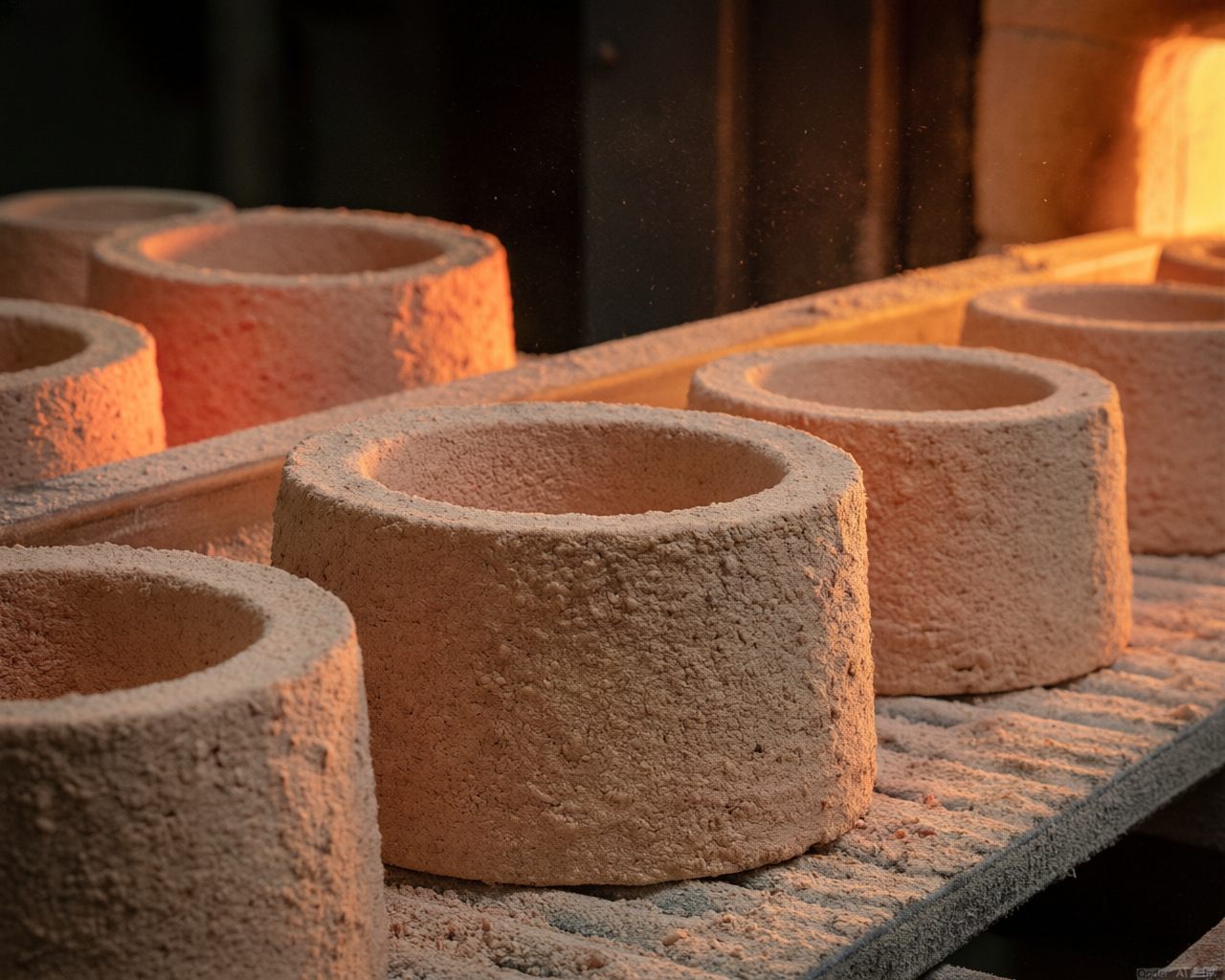
Silica sol as binder and zircon flour as the face coat, with layer-by-layer dipping and sanding under controlled drying humidity.
Silica sol
04
Dewaxing and shell burnout
Steam dewaxing recovers the wax for reuse, and high-temperature shell burnout raises shell strength and removes residue.
Dewaxing · burnout
05
Melting and pouring
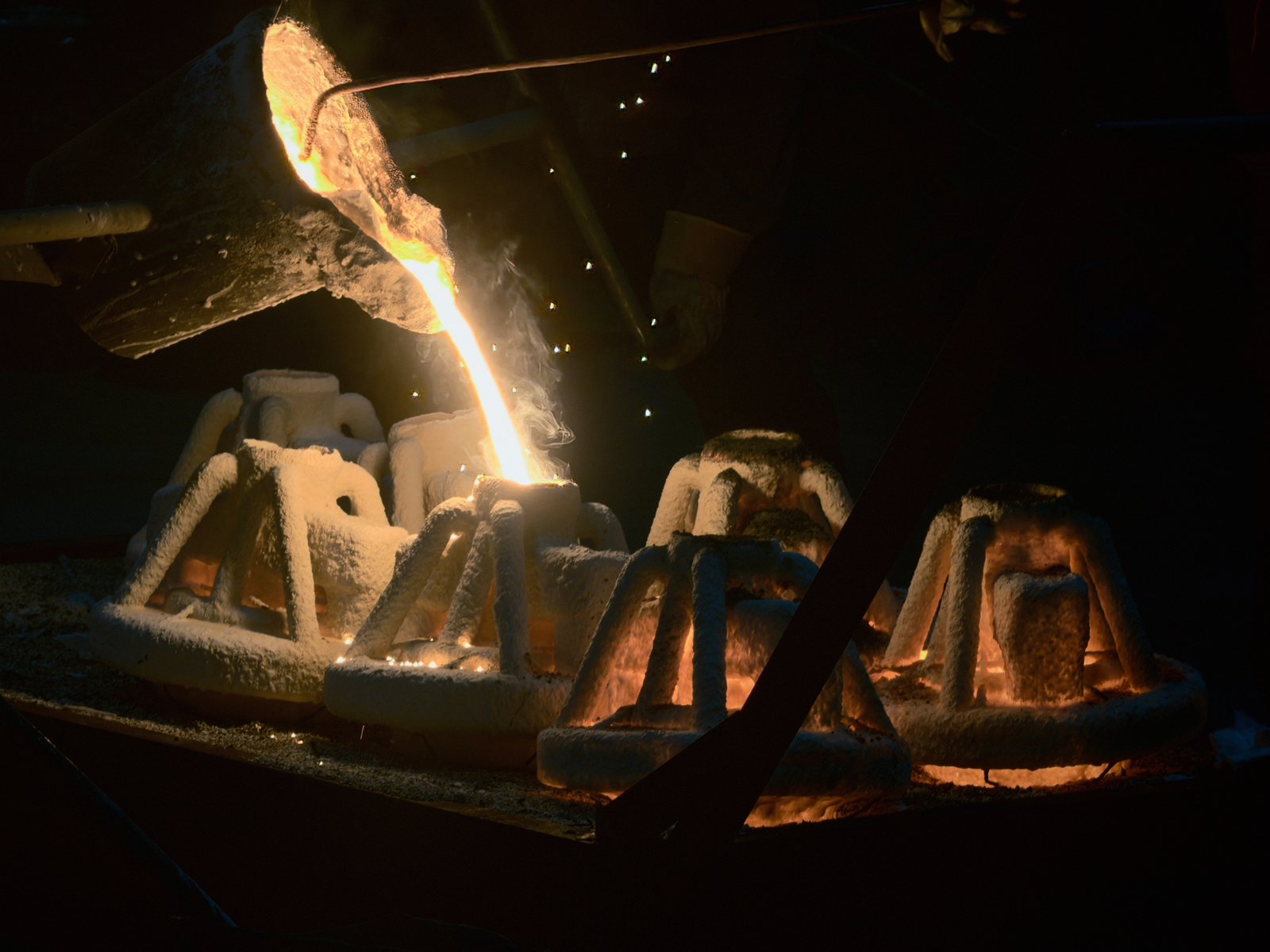
Charged by grade and melted in the medium-frequency induction furnace; pouring only after melt-side spectrometer analysis confirms the chemistry.
Check ②
06
Shell removal and cut-off
Vibration knocks off the shell sand, castings are cut from the gating and riser, and sprue remnants are ground off.
Grinding
07
Shot blasting
Removes adhered sand and oxide scale for a uniform base surface.
Shot Blast
08
Heat treatment
Annealing to material and drawing requirements, relieving casting stress and stabilizing structure and hardness
Check ③
09
CNC machining
Finish machining of sealing faces, threads, hole patterns and fit surfaces; complex angled parts done in one 5-axis setup.
Check ④
10
Inspection
Key dimensions checked against drawing, every finished part visually inspected, batch records kept under ISO 9001
Check ⑤
11
Surface finishing
Pickled surfaces, passivation for stainless parts, and product marking and shipping marks as the customer requires
Per drawing requirements
12
Packing and delivery
Wooden case / pallet moisture-proof packing; export orders supported with packing lists and customs documents.
The table below lists the grades we produce routinely. For special grades or alloy steels, please send the drawing first; we reply after assessing melting and process feasibility.
Material category
Common grades
Typical applications
Heat treatment condition
Remarks
Quality carbon steel / carbon steel castings
25 steel · A3 (Q235) · 45 steel
Machine structural parts, wear-resistant parts, general hardware
Annealed / normalized + tempered
Regular parts with a balance of cost and performance
Cast carbon steel for general engineering
WCB
Valve bodies, bonnets, pipe fittings, flanges
Normalized + tempered
The cast steel grade most used in the valve industry
Stainless steel (wrought grade designation)
201 · 202 · 304 · 304L · 316 · 316L
Valve parts, pipe fittings, corrosion-resistant parts, decorative parts
Solution annealing
Use this row when drawings cite sheet or bar grades
Cast stainless steel (casting grade designation)
CF8 · CF8M
As above; common for export and valve parts
Solution annealing
CF8 corresponds to 304, CF8M corresponds to 316
Other materials
Special grades / alloy steel / customer-specified
Assessed case by case from the drawing
Per technical requirements
Needs a melting and process feasibility review first
Note: for the same part, a drawing marked 304 or CF8 means different governing standards and different quoting. For export orders especially, state the grade and standard system (GB / ASTM / JIS / EN) on the drawing so everything is confirmed at once and rework in production is avoided.
Weight per pieceA few grams – 100 kg
Casting processSilica sol investment casting (lost-wax casting)
Investment casting matched with machining suits parts of complex structure, defined material requirements and frequently changing specifications. The following are the directions we supply most often.
Valve manufacturing
Valve bodies, bonnets, discs, handwheels and operator parts. Mostly WCB and CF8 / CF8M, with sealing faces finish-machined on CNC.
Piping and pipe fittings
Elbows, tees, reducers, fittings and flanges. Bores are cast in one step; weld ends and threaded faces are machined to the drawing.
Oil · Chemical
Corrosion-resistant piping and equipment parts, mainly 316 / 316L. Chemistry is spectrometrically verified heat by heat, and material certificates are available.
Water treatment and environmental equipment
Strainer bodies, connectors, brackets and fixing parts. Specifications vary widely from drawing to drawing, which suits a made-to-drawing production model.
Food and beverage machinery
Sanitary-grade fittings and equipment parts in stainless steel, with polishing or pickling and passivation available.
General machinery
Housings, brackets, bearing seats and box-type structural parts. Welded or assembled structures can be consolidated into a single casting.
Gears and drive parts
Small-module gears, sprockets, couplings and gearboxes. Carbon steel / cast steel grades, with tooth profiles and fit faces finish-machined on CNC.
Automotive and farm machinery parts
Brackets, pump bodies, hub seats and chassis attachments, supplying the wide part range demanded by the service and aftermarket.
Electrical and instrument housings
Junction boxes, instrument cases and sensor housings. Thin-wall parts are annealed to relieve stress and then pickled; hole positions and sealing faces are machined in one setup.
Textile and packaging machinery
Rocker blocks, cam housings, guides and fixtures. The many specifications suit multi-cavity wax tree assembly under the silica sol process, organised as volume production.
Mining and construction machinery
Wear-resistant consumables such as liners, bushings, guide plates and hammers, in carbon or cast steel grades to your heat treatment requirements.
Decorative hardware and furniture parts
Handrail fittings, decorative parts, clamps and equipment parts in 201 / 202 / 304, produced on multi-cavity wax trees.
Factory Photos · On site
Plant and workshop photos
Photo slots are reserved in two formats: 21:9 for plant exterior banners and 4:3 for close-ups of individual process stations. All images are taken on site with lighting and colour correction only.
Plant exteriors2 banners + 3 exterior shots
01Main entrance
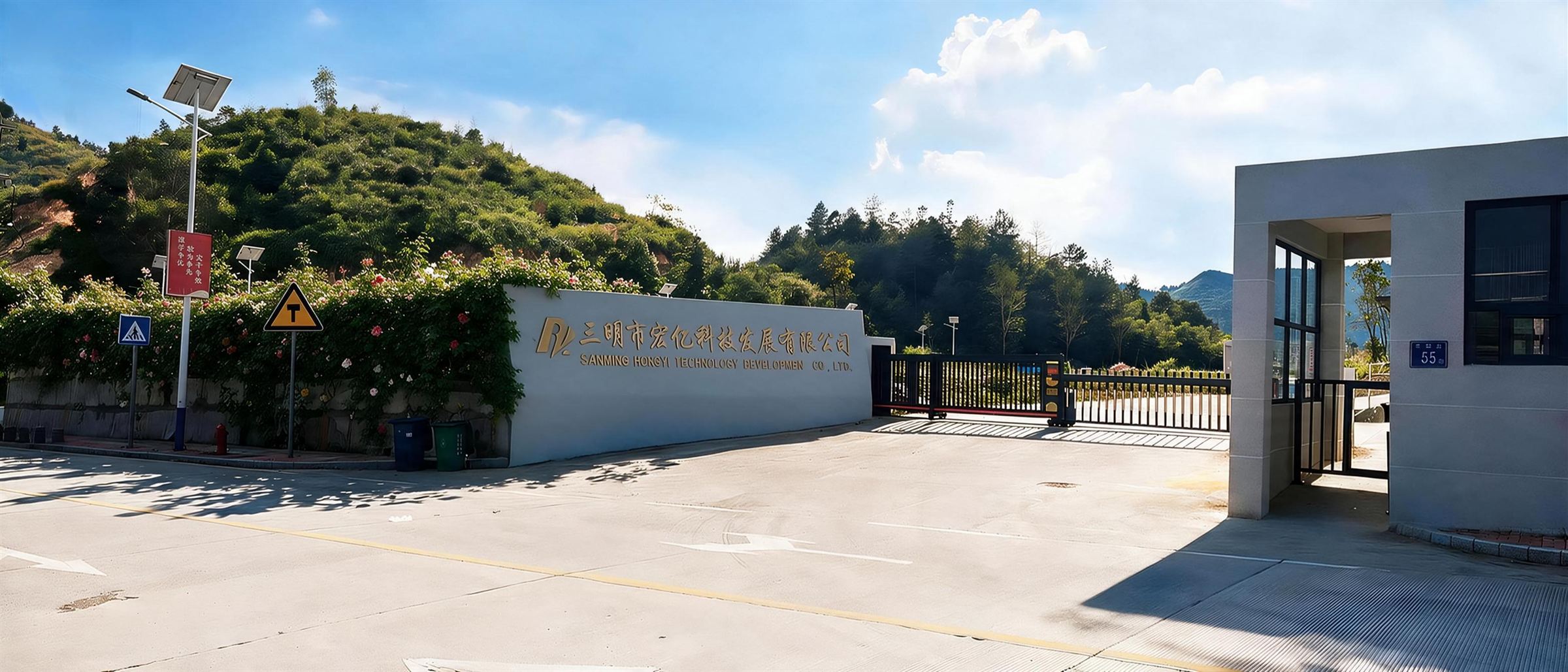
The sign wall carries the company name in Chinese and English, with the gatehouse and retractable gate to the right and the No. 55 Jingyuan Road plate.
02Casting workshop long facade
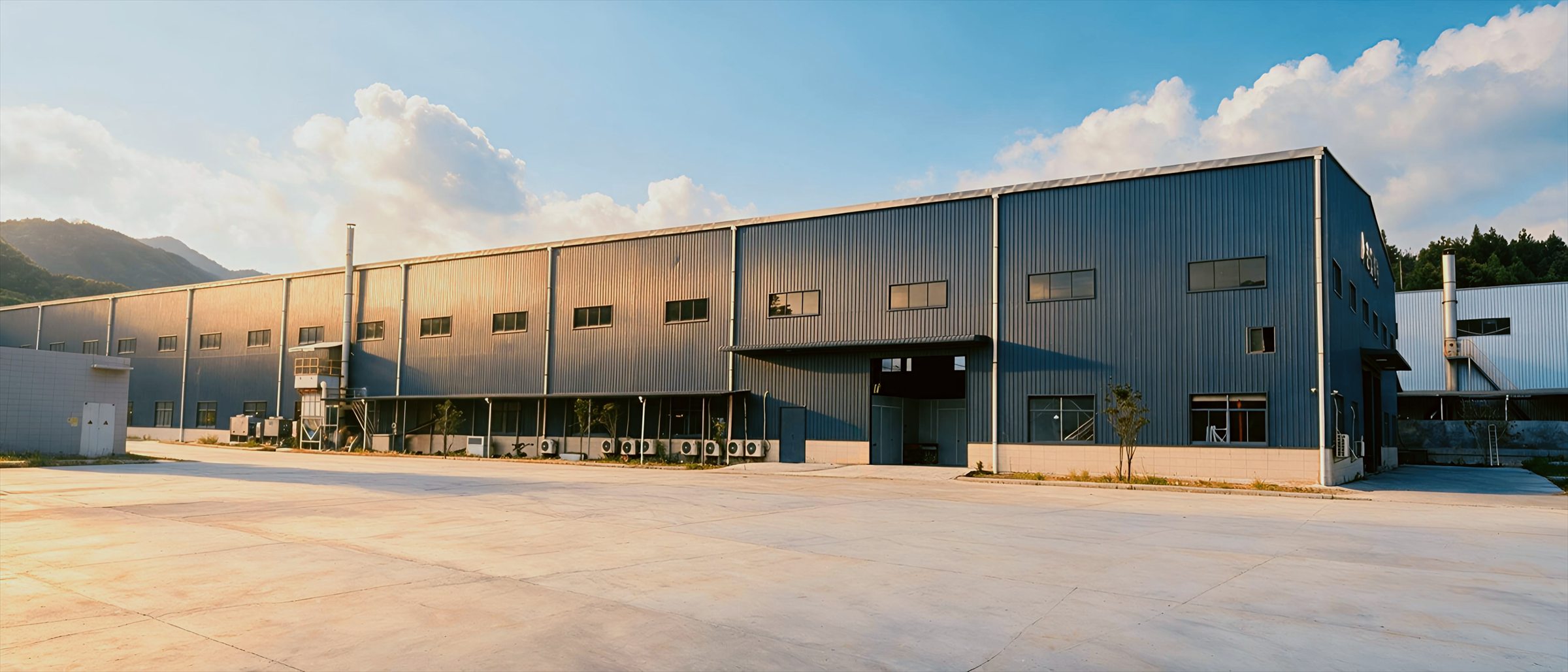
The long facade of the casting workshop with the paved front yard, used for material handling and parking.
03Casting hall exterior
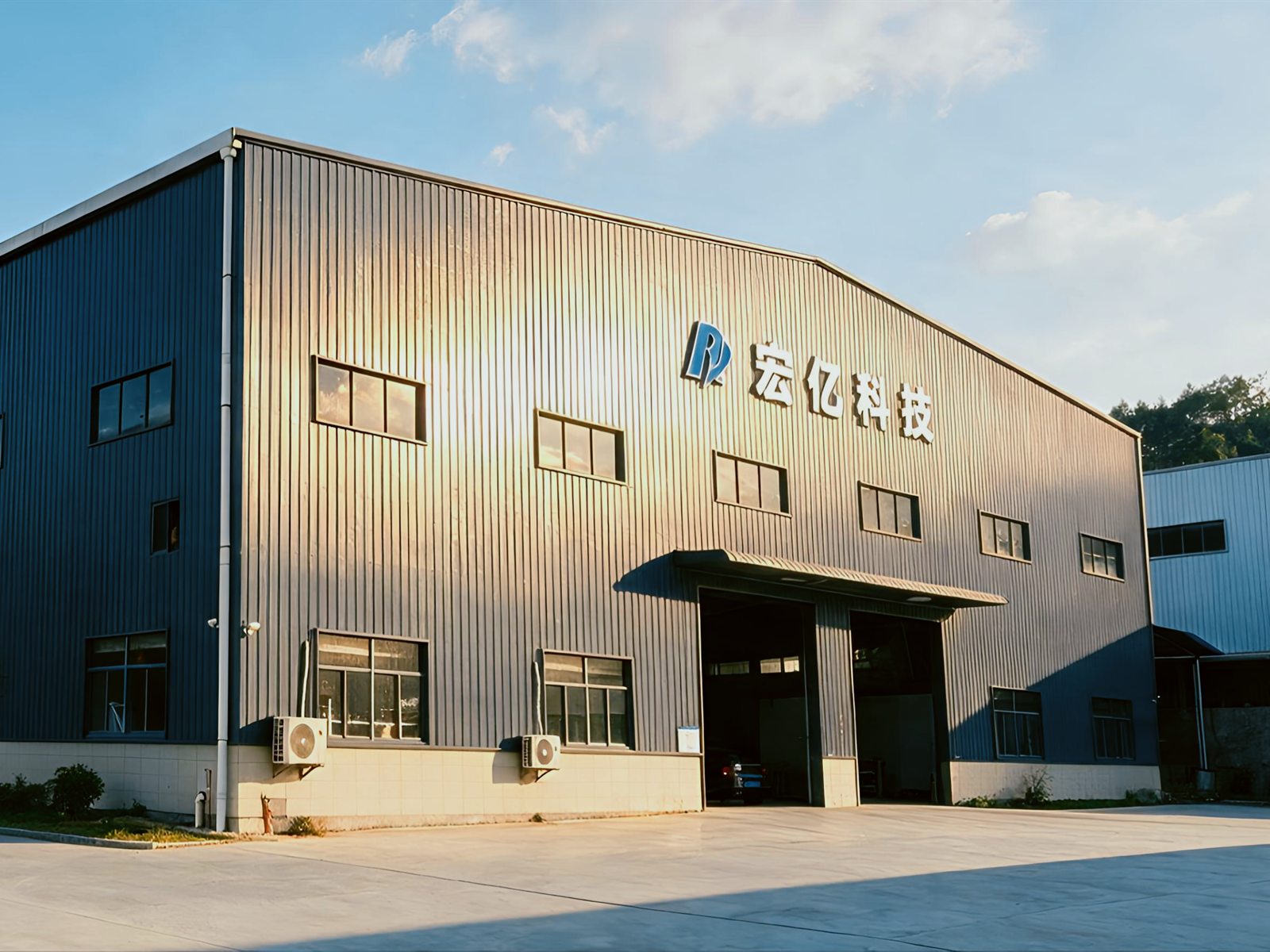
Corner of the main workshop with the company sign on the gable wall and the loading bay doors below.
04Plant Road and Parking Area
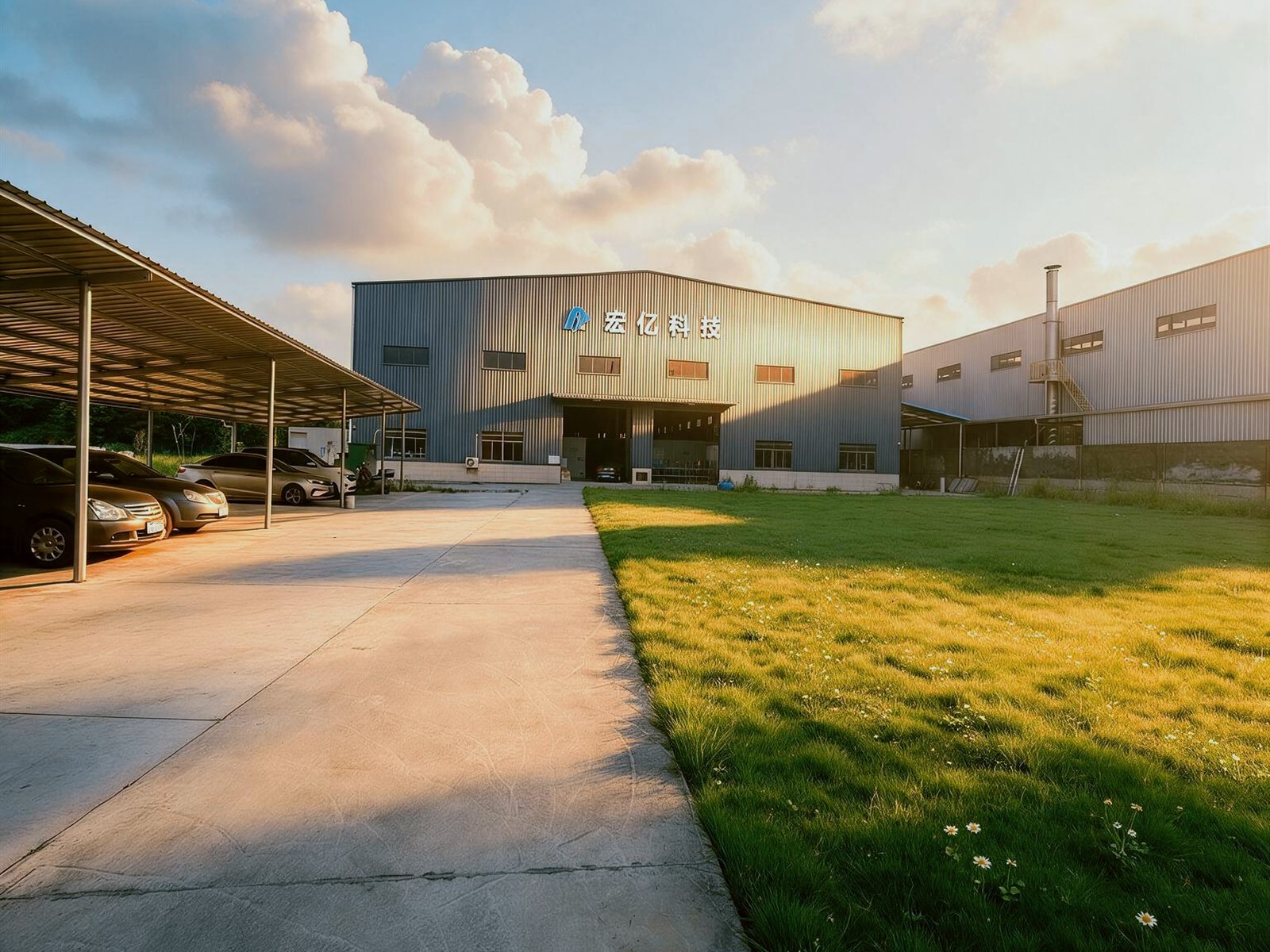
A parking canopy and green belt run along one side of the plant road, which leads to the casting workshop.
05Industrial Park Road and Junction
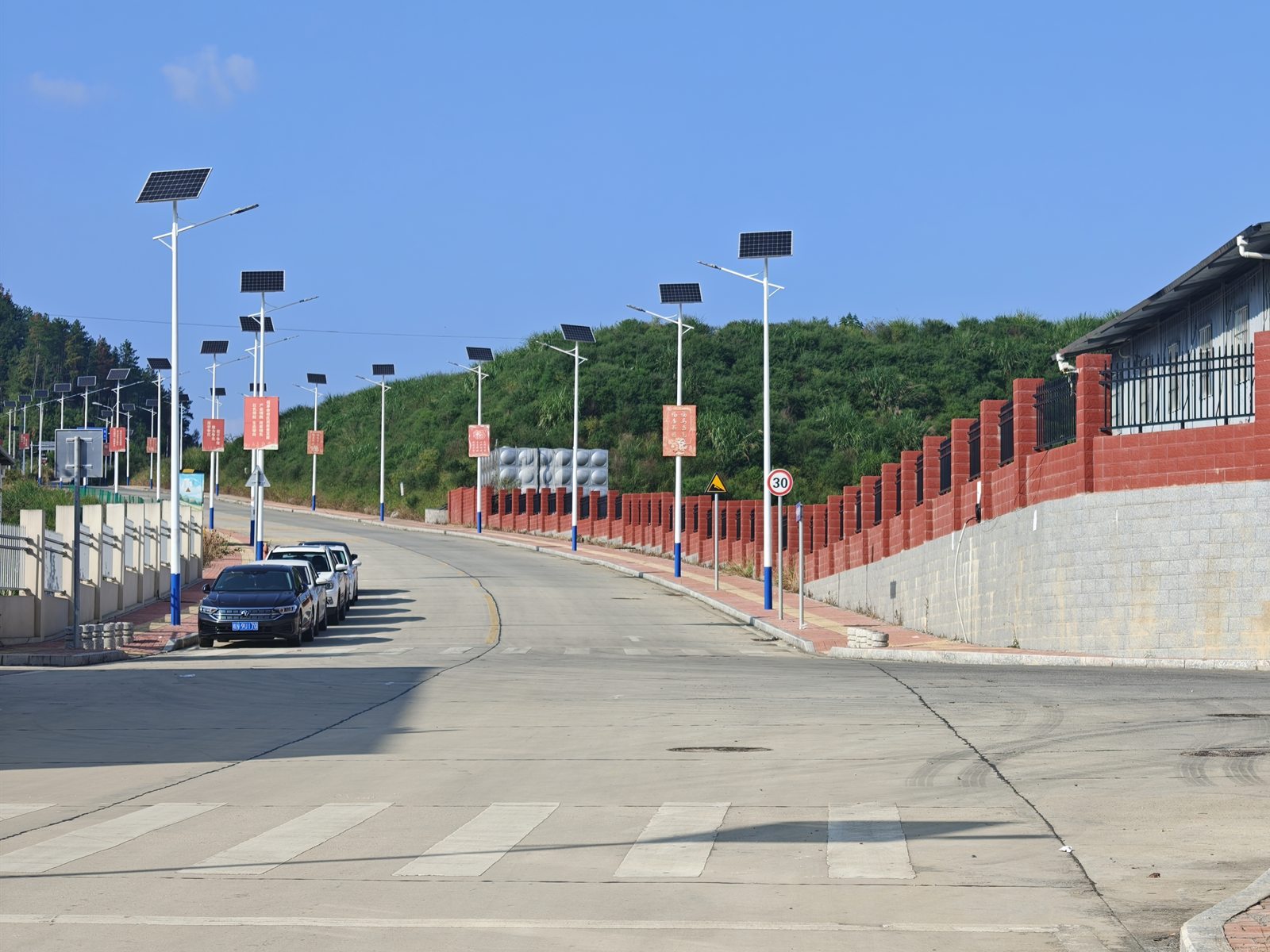
An Industrial Park road outside the plant, with a pedestrian crossing at the junction and solar street lights and a speed limit sign along the roadside.
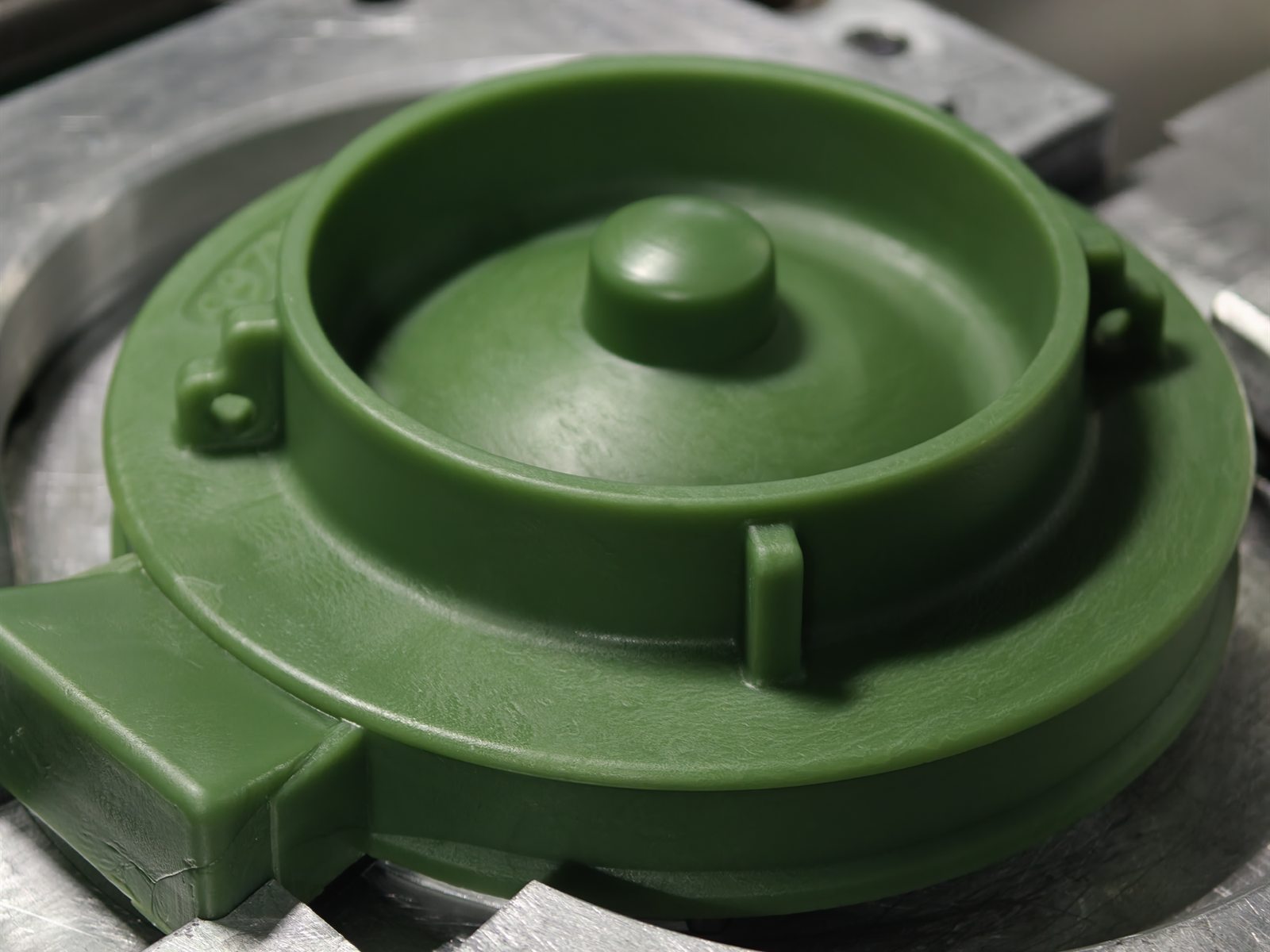
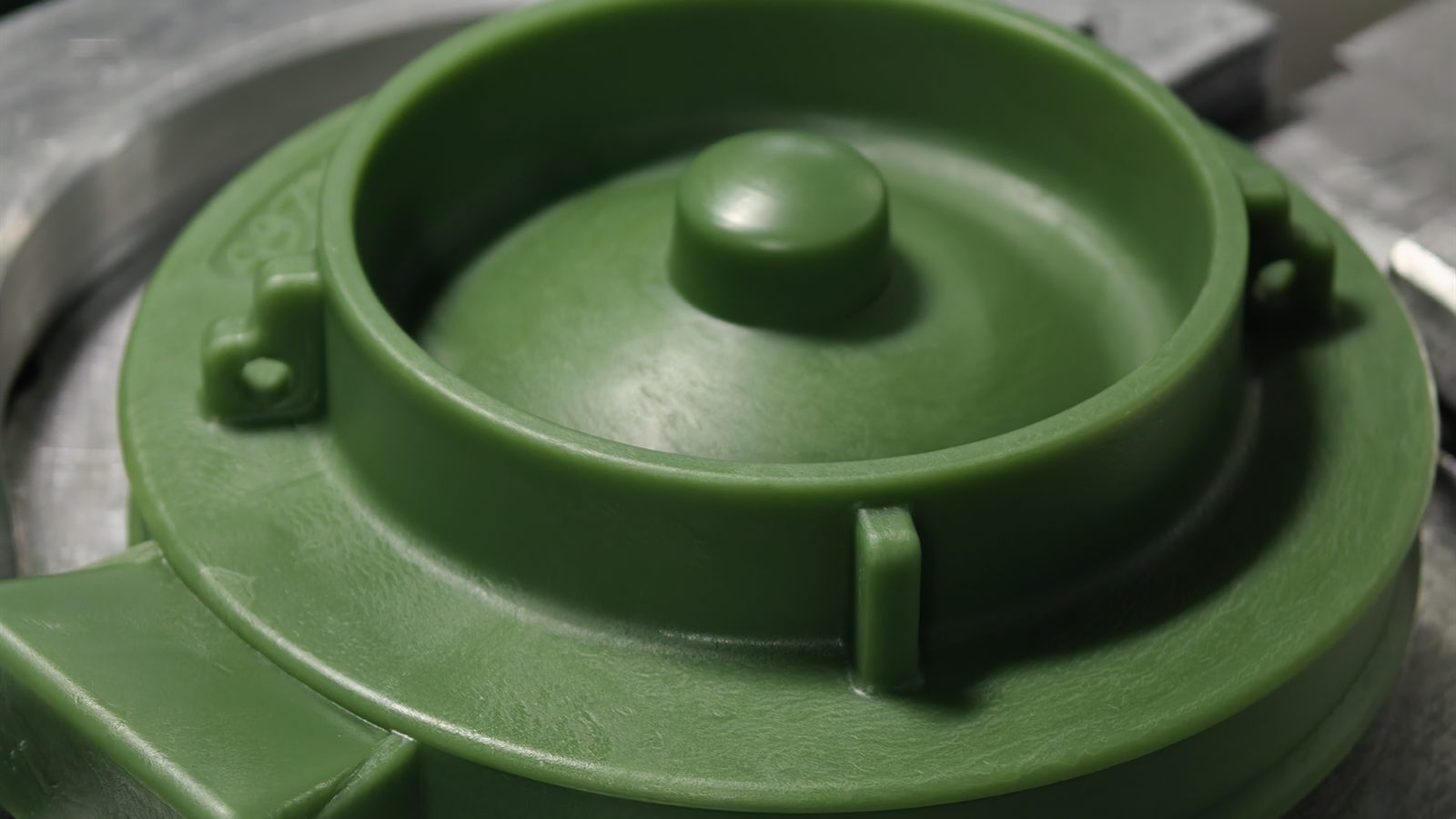
Both the mid-temperature and low-temperature wax lines are injected in metal dies: body, gate and tree-assembly bosses form in a single shot, and surface and dimensions are checked once the pattern is removed from the die.
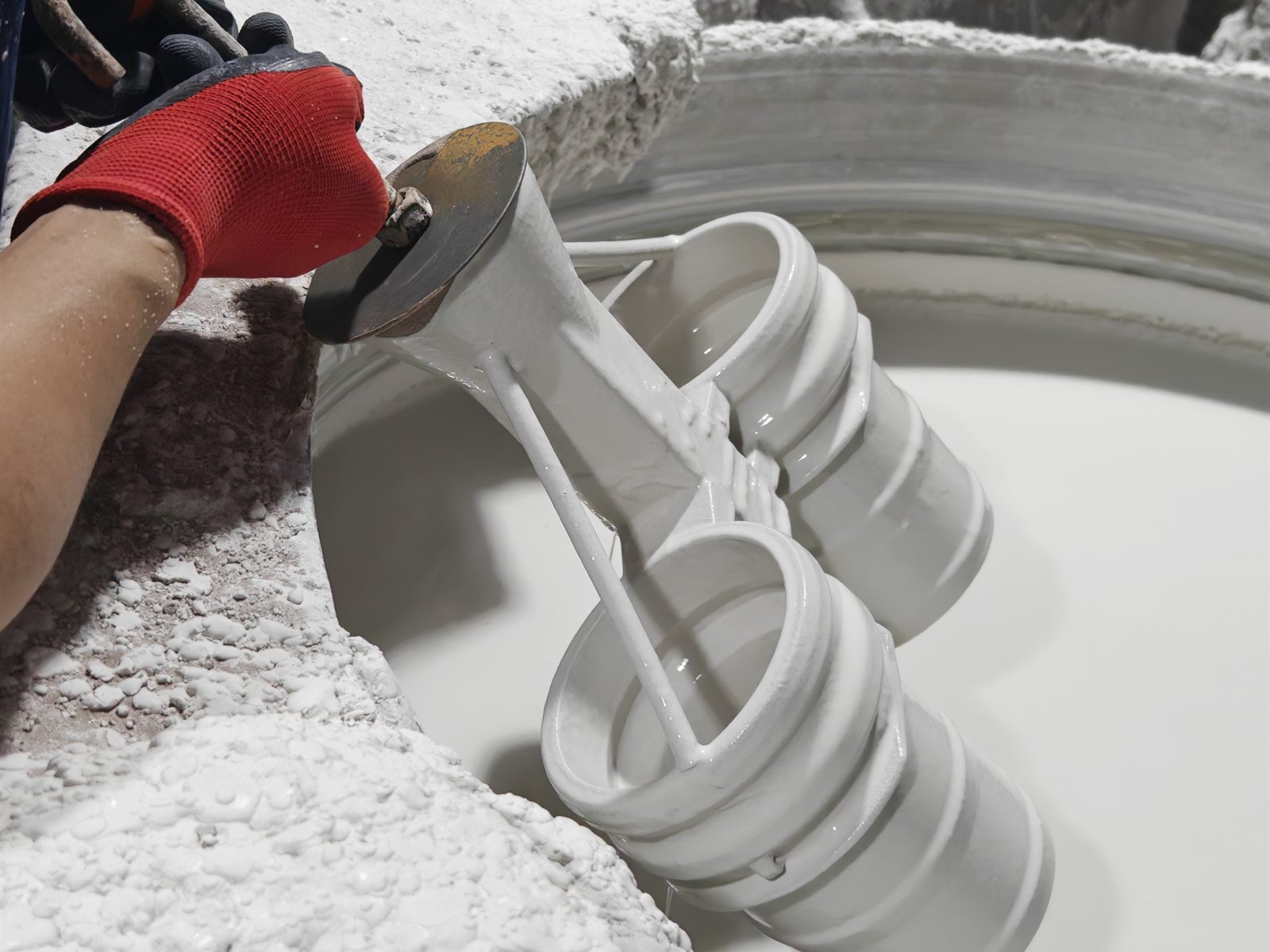
07Shell building · slurry dipping
Each tree is dipped into the silica sol slurry and lifted to drain, then stuccoed and dried layer by layer; the face-coat slurry governs shell surface quality and dimensional accuracy.
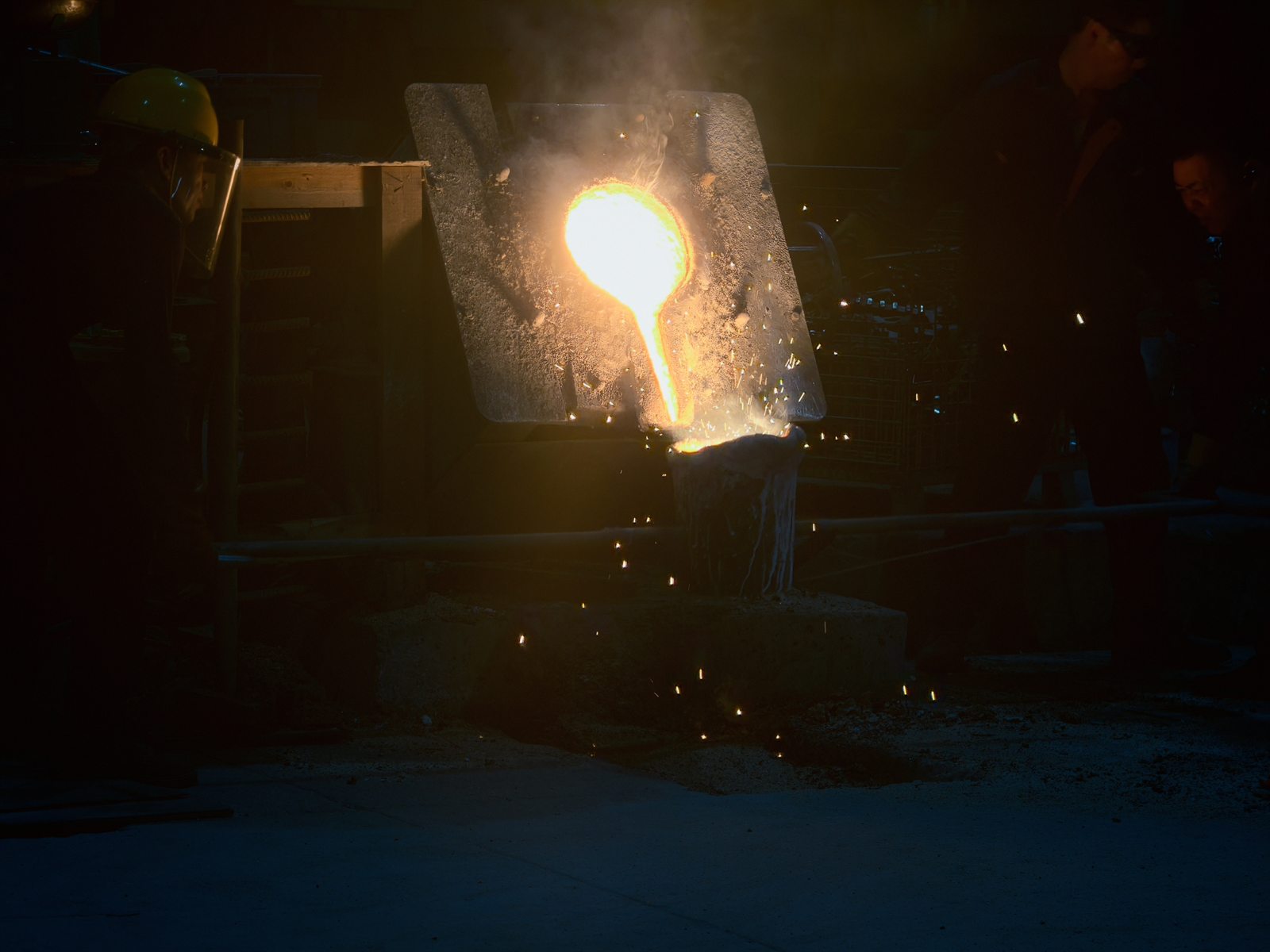
08Melting · Tapping and pouring
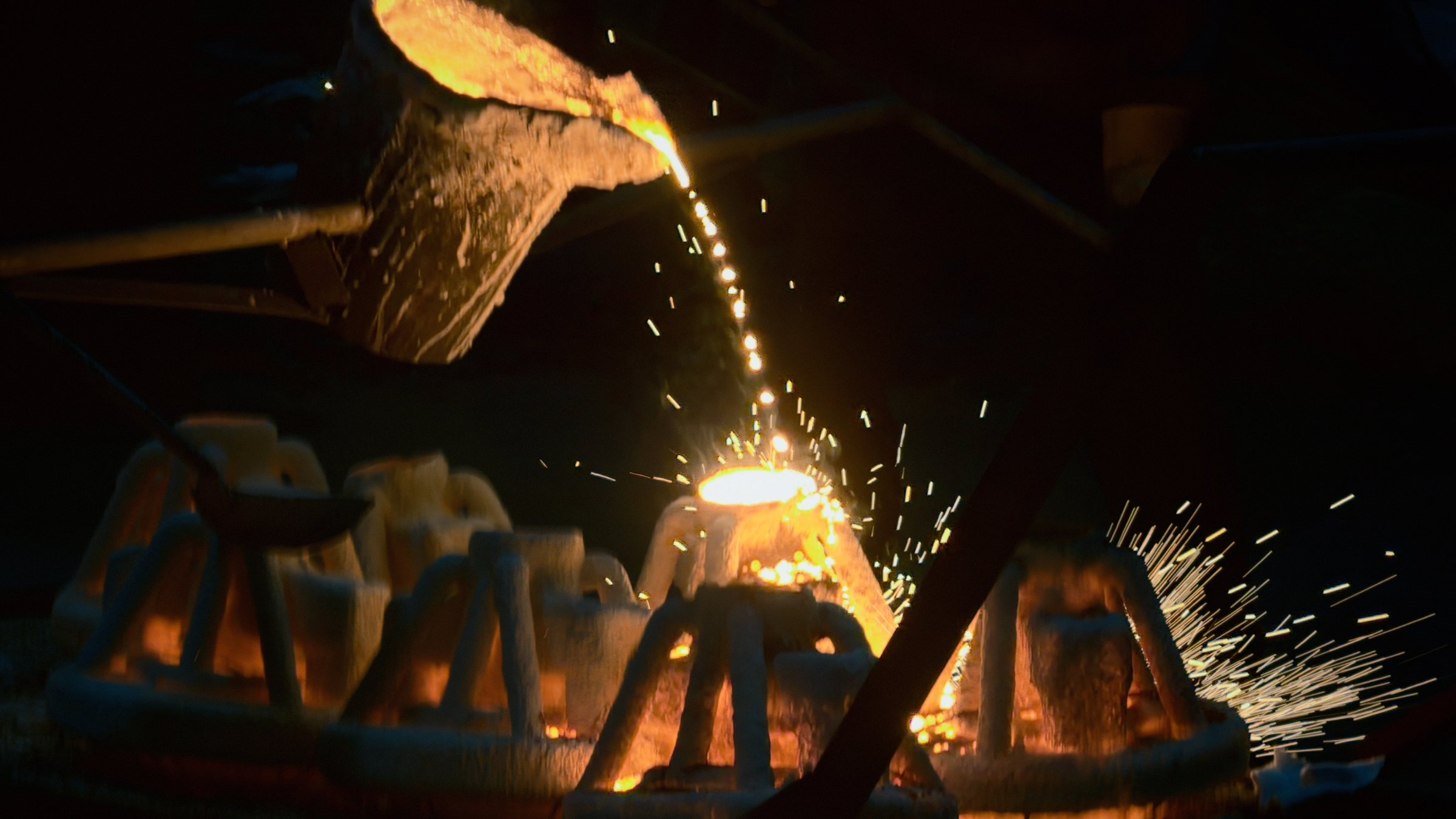
The charge is weighed out by grade and melted in 150kg and 250kg medium-frequency induction furnaces; tapping and pouring follow only after melt-side spectrometer analysis confirms each heat.
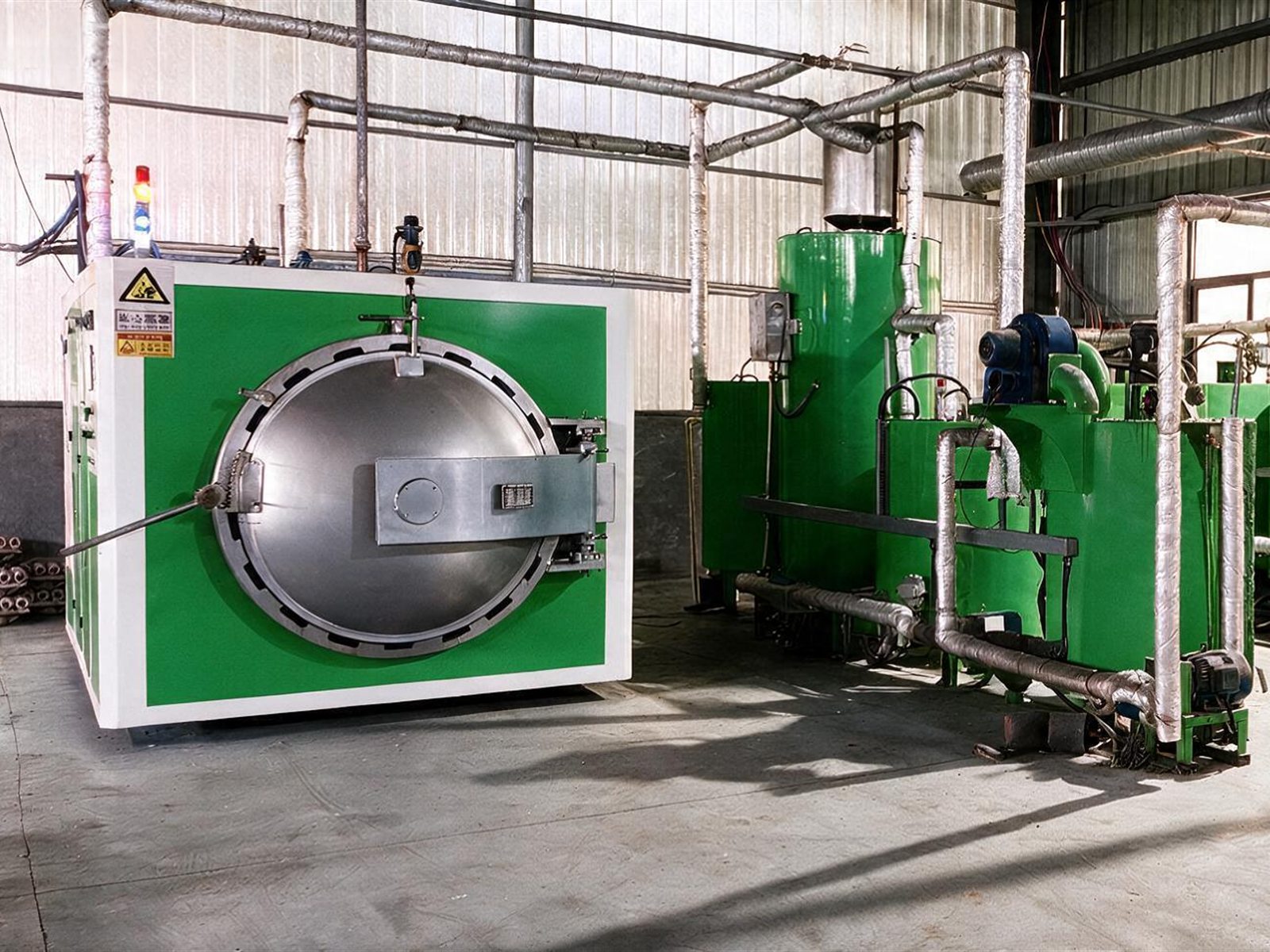
09Dewaxing · Steam autoclave
Once the shells are loaded, steam removes the wax patterns and the recovered wax is reused; the mid-temperature and low-temperature wax injection lines are each served by one dewaxing autoclave. After dewaxing, the shells are sintered in high-temperature burnout before pouring.
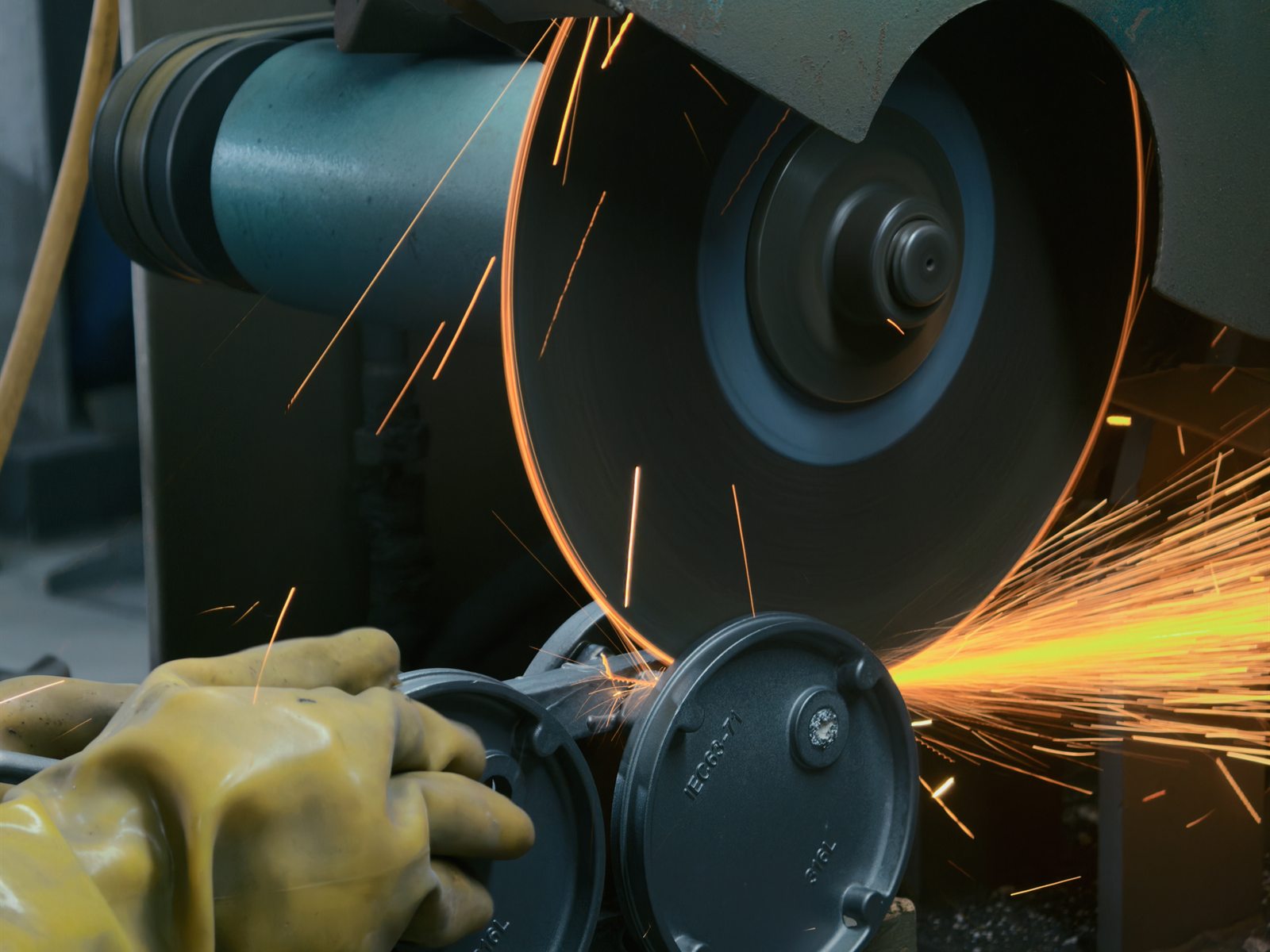
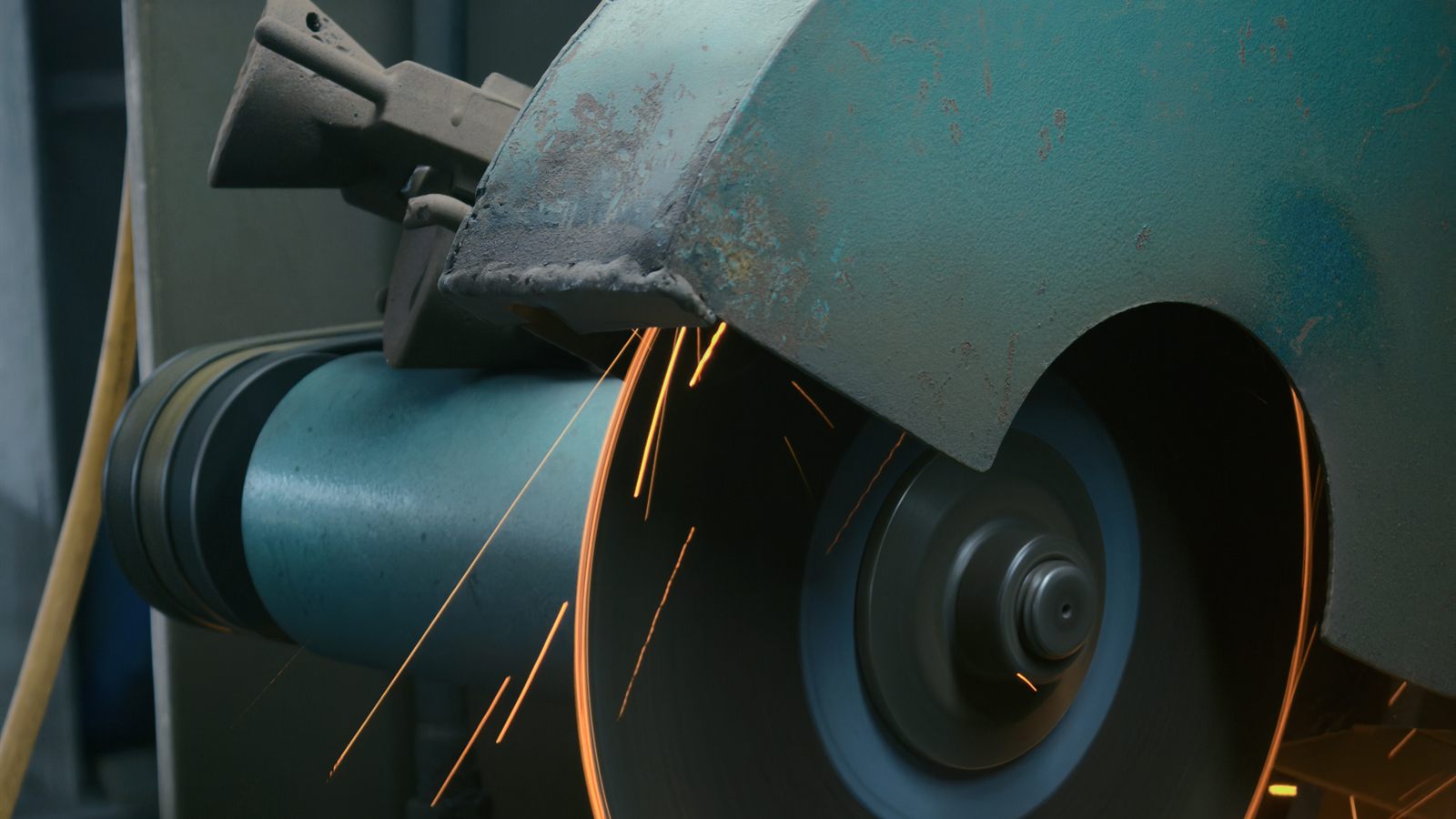
10Finishing · gate cut-off
After shell removal the tree is cut at the abrasive wheel to remove the gate, and the castings are separated from the sprue before grinding and dressing.
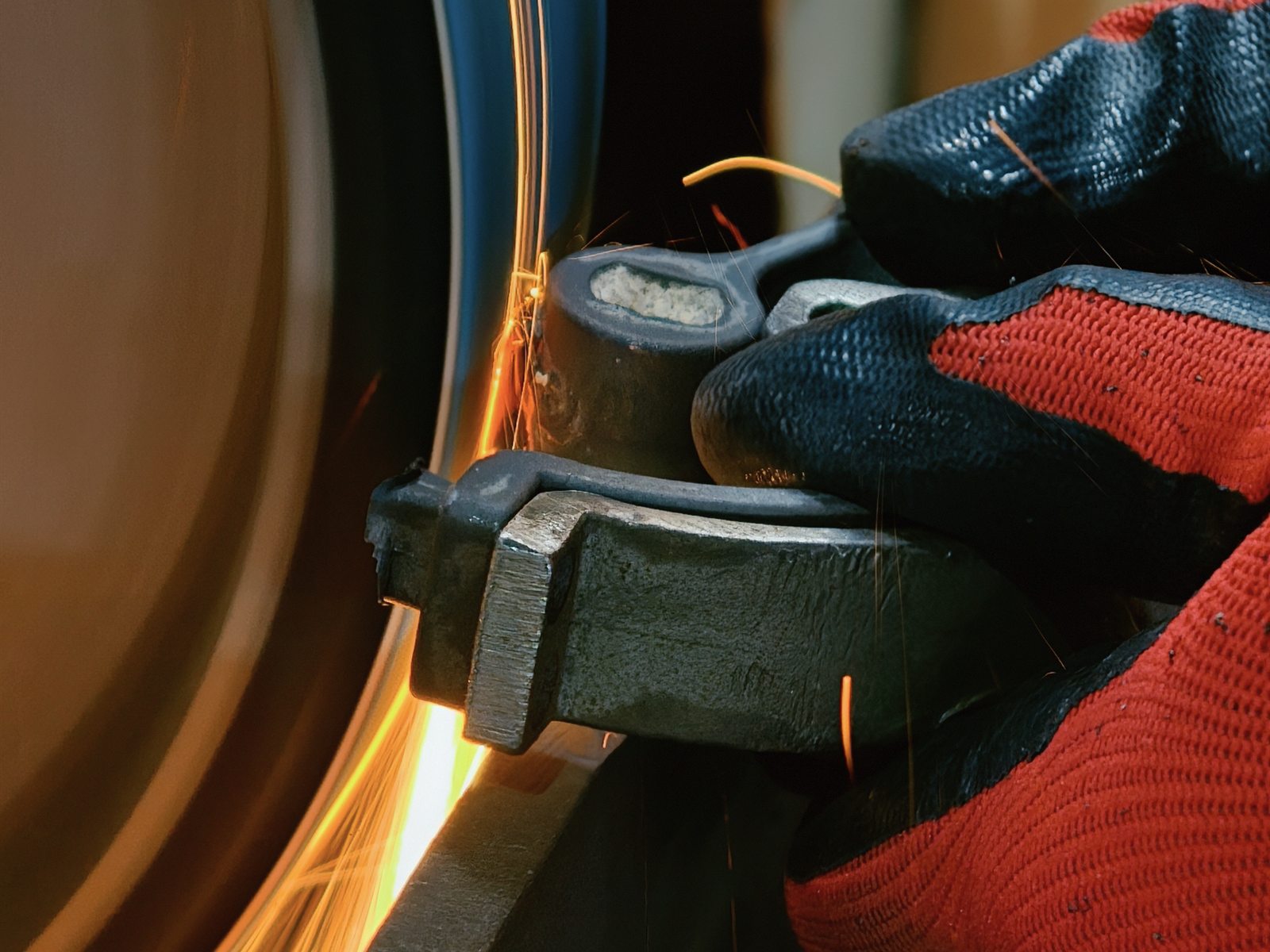
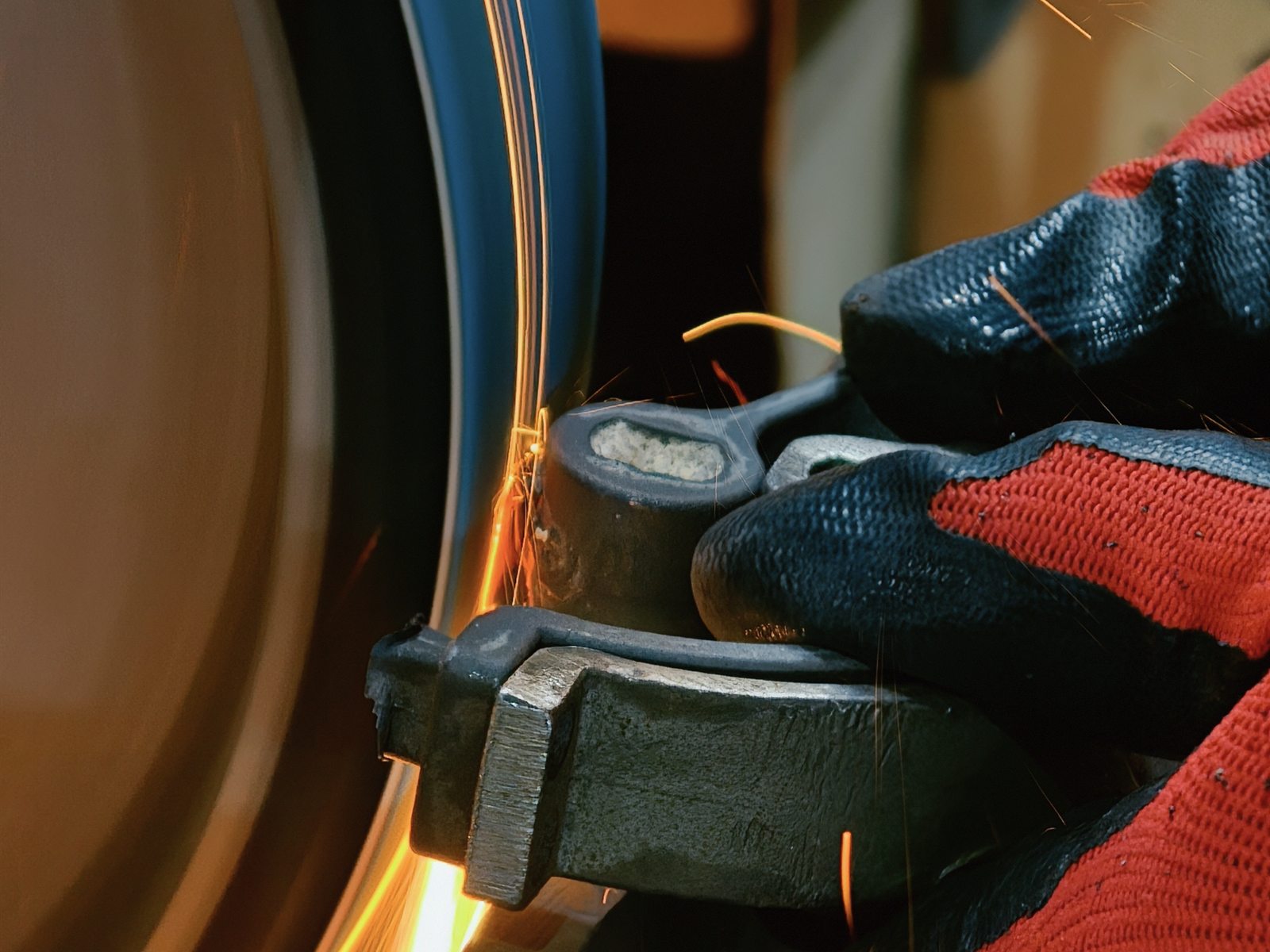
11Finishing · grinding and dressing
With the gates removed, castings are ground at the wheel to clear flash and gate remnants, bringing the surfaces to an inspection-ready condition.
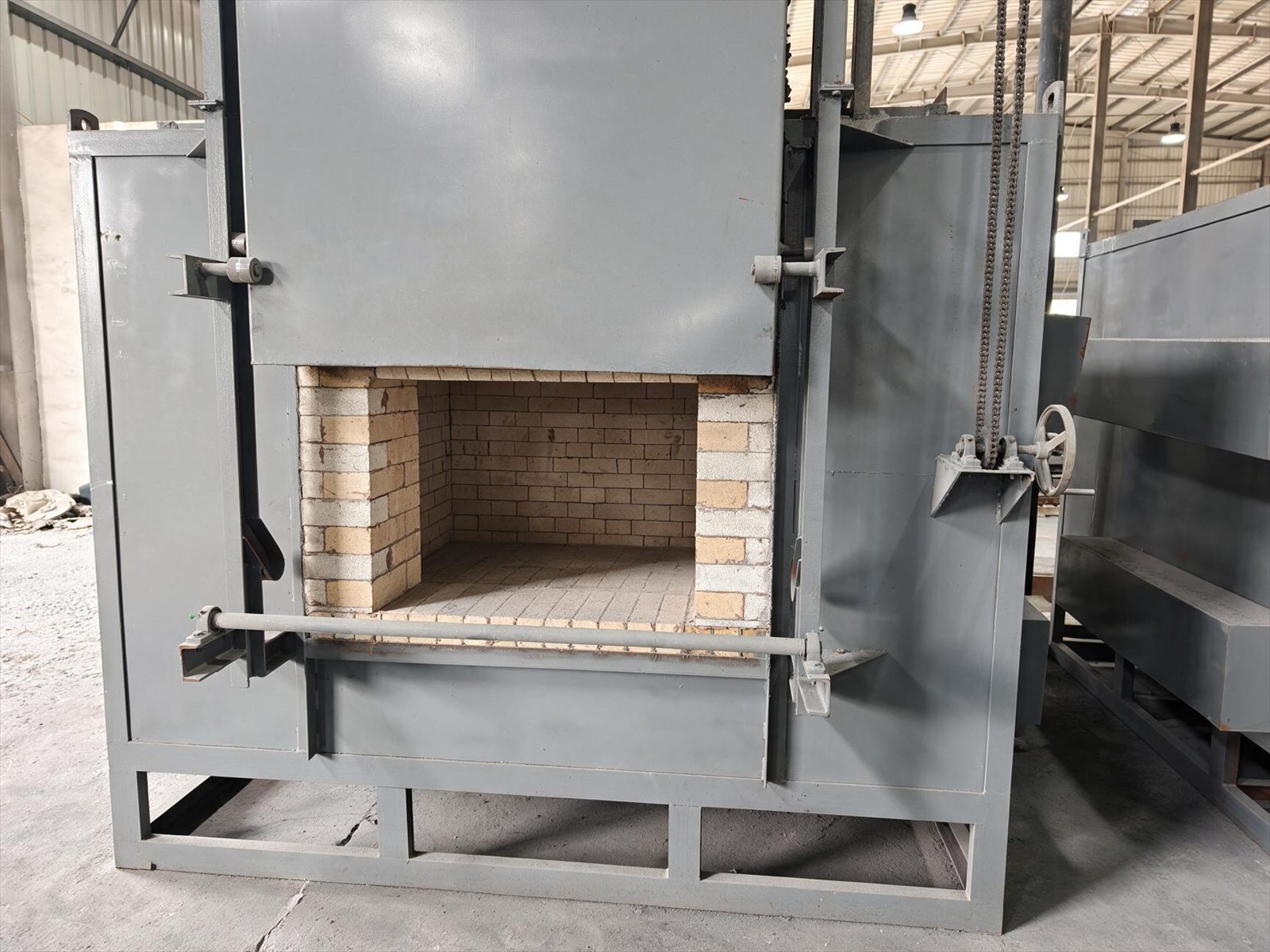
12Heat treatment · annealing
Annealing is applied to the grade and the drawing requirement, relieving casting stress and adjusting hardness and structure. The furnace has a chain-driven lifting door and a firebrick lined chamber.
13Surface treatment · pickling
Pickling removes oxide scale and residual sand; stainless parts are passivated in the same cycle, then moved to inspection.
14Inspection · melt-side spectrometric analysis
The spectrometer room houses a benchtop optical emission spectrometer with high-purity argon. The chemistry of every heat is confirmed before pouring, and the figures on the material certificates supplied with the goods come from these heat-by-heat records.
On-site visits require two days' notice so the relevant line and inspection records can be prepared; drawings, physical parts and batch numbers can be checked together during the audit.
3 melting furnaces · 16 machine tools Casting and machining delivered as one
The plant is located in Shangjing Industrial Zone, Datian County, Sanming, Fujian. Shell making runs on two wax injection lines — mid-temperature wax and low-temperature wax — chosen by part structure and surface requirement. Melting uses three induction furnaces of 150 kg and 250 kg, with a spectrometer confirming chemistry before pouring; shell removal, grinding, annealing, pickling and inspection of the castings are all completed on site. Machining covers 16 machine tools, up to 5-axis, scheduled and delivered together with the casting operations, so orders of mixed variants and non-standard structures gain more consistent process control and more reliable delivery dates.
Chemistry and dimensional records kept for every batch
Operating under ISO 9001. From melt-side chemistry and critical dimensions to final appearance, inspection records are retained by batch, so any abnormality can be traced to the specific operation.
System certification
ISO 9001 quality · ISO 14001 environmental · ISO 45001 occupational health and safety The certificate numbers, issuing body and certified scopes are listed on the Quality Assurance page The quality manual and procedure documents are available on request
Chemistry control
Charged to grade into the medium-frequency furnace Melt-side spectrometric analysis confirms chemistry Metal that fails is not tapped and not poured
Dimensions and appearance
Critical dimensions checked to the drawing Surfaces visually inspected piece by piece Rejects removed before packing
Export delivery
Regular exports to Taiwan · Japan · Europe and the US Wooden case / pallet packaging with moisture protection Packing lists and customs documentation supported
Order quantities are negotiated. Most orders are non-standard custom parts made to customer drawings, and the specific quantity requirement is set by part structure, material and whether a new die is required. Please send the drawing; we will confirm accurately once the evaluation is complete.
A 2D drawing (PDF / DWG) or a 3D model (STEP / IGES / X_T) is sufficient; please also state the material grade, quantity requirement, surface treatment and inspection requirements. A physical sample alone is also acceptable and can be reverse-engineered by us. Quotes are returned within 1 – 3 working days once the documentation is complete; complex parts requiring a process review will be quoted after we confirm the details with you.
Casting and machining are both placed with us, which is the main service difference: dimensional issues found during machining feed back to the casting process side for adjustment; scheduling and delivery dates are arranged by us as one; quality responsibility is single, so customers need not coordinate between multiple suppliers. Rough castings only, or machining only, can also be ordered separately.
Charge material is batched by grade; after induction furnace melting a spectrometer confirms the chemistry before pouring, and metal failing chemistry is not poured — this is the basis of delivering to grade. A material certificate and inspection records accompany every shipment. If third-party testing is required (NDT, salt spray, mechanical properties and the like), please state it when ordering; we commit only after confirming it can be carried out.
We export to Taiwan, Japan and Europe and the US year-round, and we know the packing, marking and customs documentation that foreign trade orders require. Wooden cases or pallets with moisture protection can be built to your requirement. FOB and CIF are supported, shipping mainly through Fuzhou and Xiamen, with another designated port arranged on request.
CF8 / CF8M versus 304 / 316, and how to note drawings
304 / 316 are grades for wrought stainless steel (plate, bar); CF8 / CF8M are grades for stainless steel castings, and their chemistry requirements are not identical. A casting drawn as 304 should in fact be melted to CF8 under GB/T 2100 or ASTM A351. For export orders we recommend noting both the casting grade and the governing standard on the drawing, so that confirmation work is not repeated at production stage.
5-axis machining centre in service: angled parts in one setup
With the 5-axis machining centre in service, castings with inclined hole patterns, curved surfaces and multi-face angular features can be finish-machined in one setup. For customers the direct effect is better delivery control, single dimensional responsibility, and lower tooling and fixture cost apportionment.
Controlling the unit price of custom castings: three design points
For custom parts, die and fixture apportionment usually weighs more on unit cost. Uniform wall thickness reduces feeding and grinding hours, consistent radii and wall sections make shell building easier, and leaving non-fit faces as-cast removes a finishing operation. These three points usually control unit cost materially. One adjustment at the drawing stage often saves a whole round of quotation exchange.
Drawings welcome — we start with a castability review
Please provide 2D / 3D drawings with material and quantity requirements. Our process engineers will first complete a round of design-for-manufacturing review of the casting, pointing out where cost can come down while castability is preserved. This step is free of charge and creates no order obligation.